
Policy
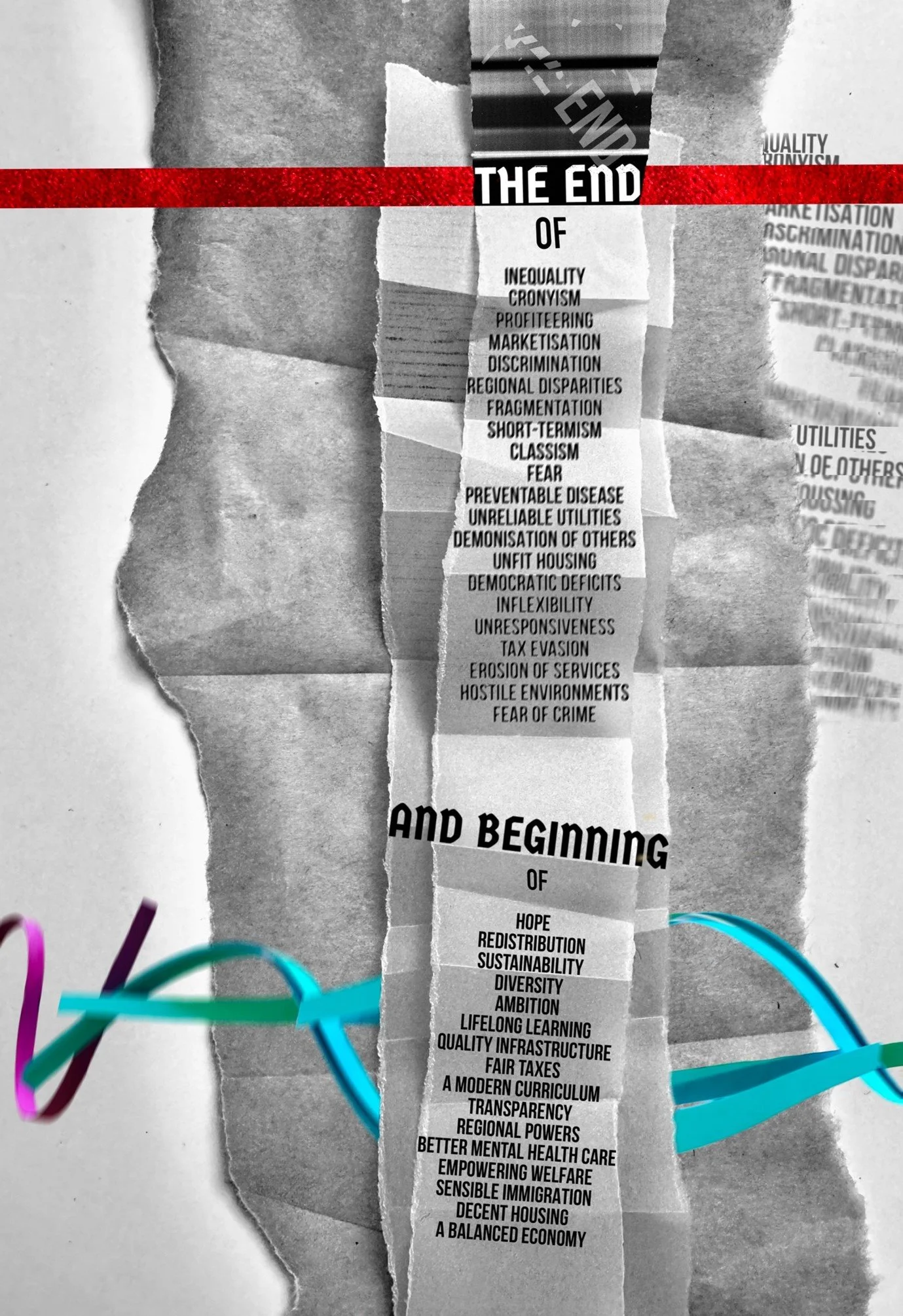
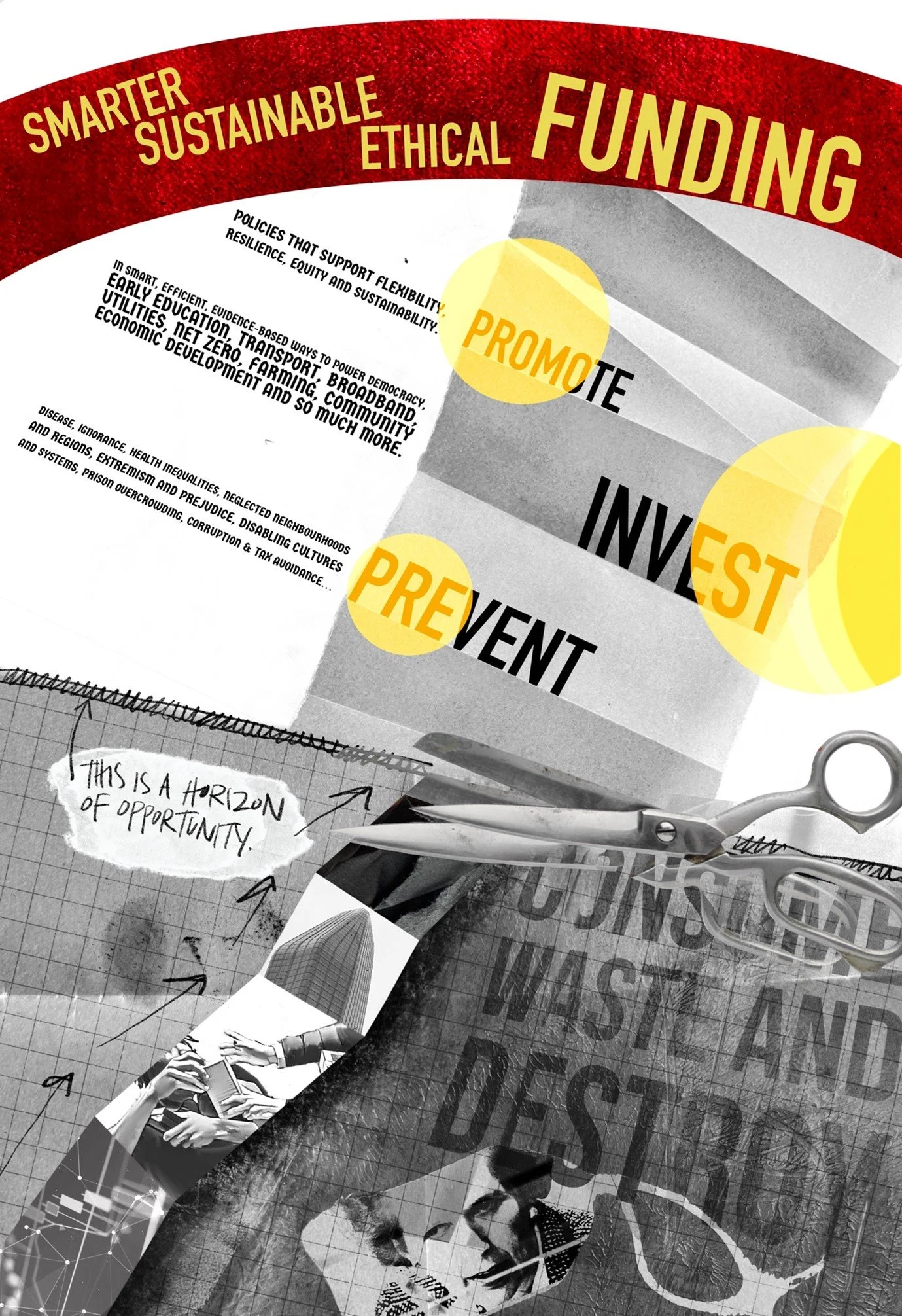
We present consensus on feasible, affordable and overwhelmingly popular evidence-based policies that can form the basis for a programme for progressive Government.
Policy Blog
We present consensus on feasible, affordable and overwhelmingly popular evidence-based policies that can form the basis for a programme for progressive Government.
The report presents a comprehensive set of policies that would be feasible and popular and would make life in Britain better for almost all inhabitants. The policies are well known and should be common-sensical. It is remarkable that they seem controversial and that neither of the two main political parties currently has the courage to endorse the programme in its entirety…
We analysed the policy reforms outlined in the report using a model of the relationship between Gross Value Added (a measure of economic output) and public and private spending on services and investment at the regional and local level in the UK and constituent countries. We assume that the capital spending commitments in our recommendations will have positive impacts on productivity via multiplier effects...
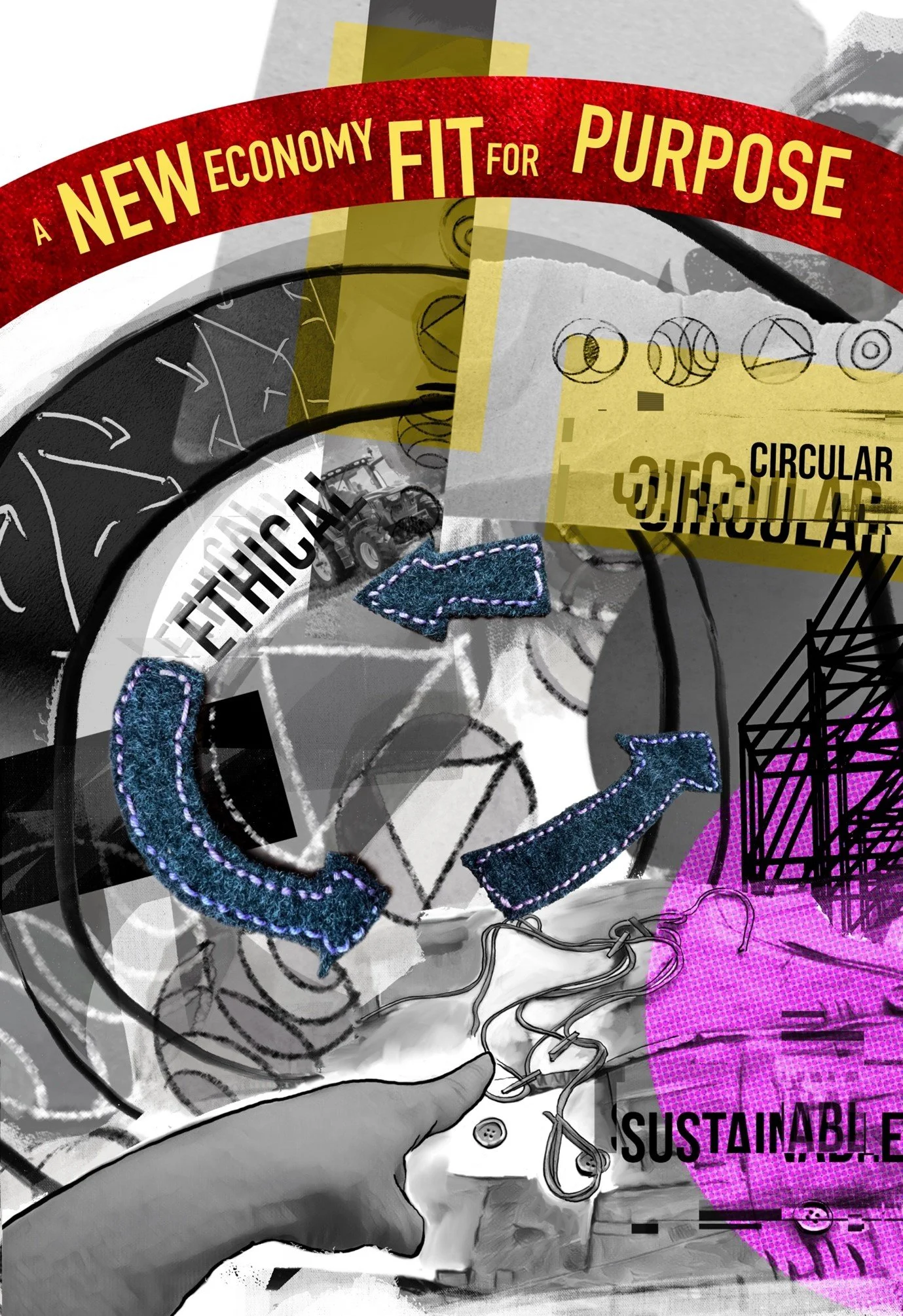
Years of reducing tax rates on business have failed to deal with regional inequality and poor productivity. We need a new economy that directs investment to where it is needed most and funds public services adequately. This requires a complete overhaul of fiscal and monetary policy. Since the global financial crisis, wages have shrunk in real terms but wealth has grown...
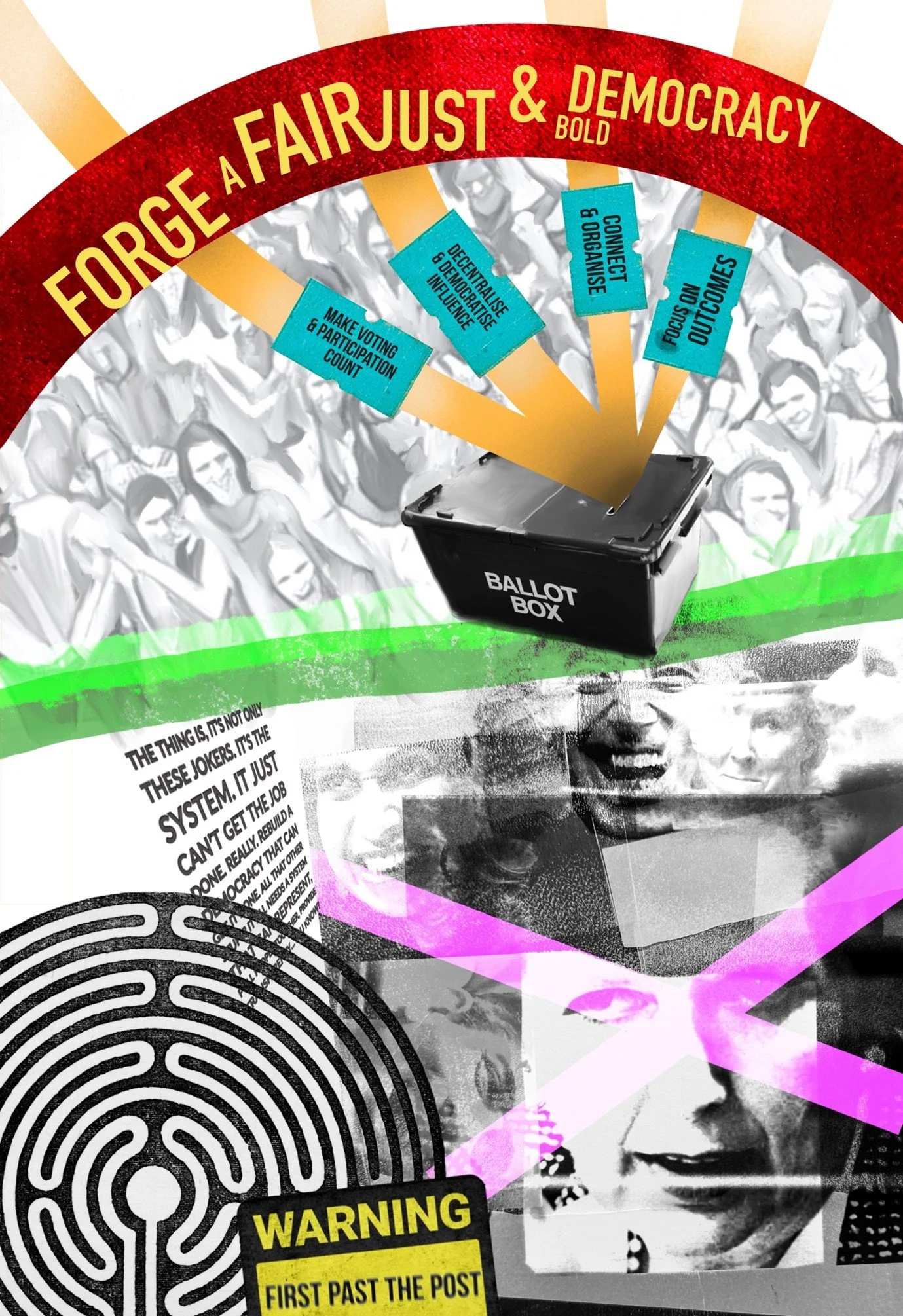
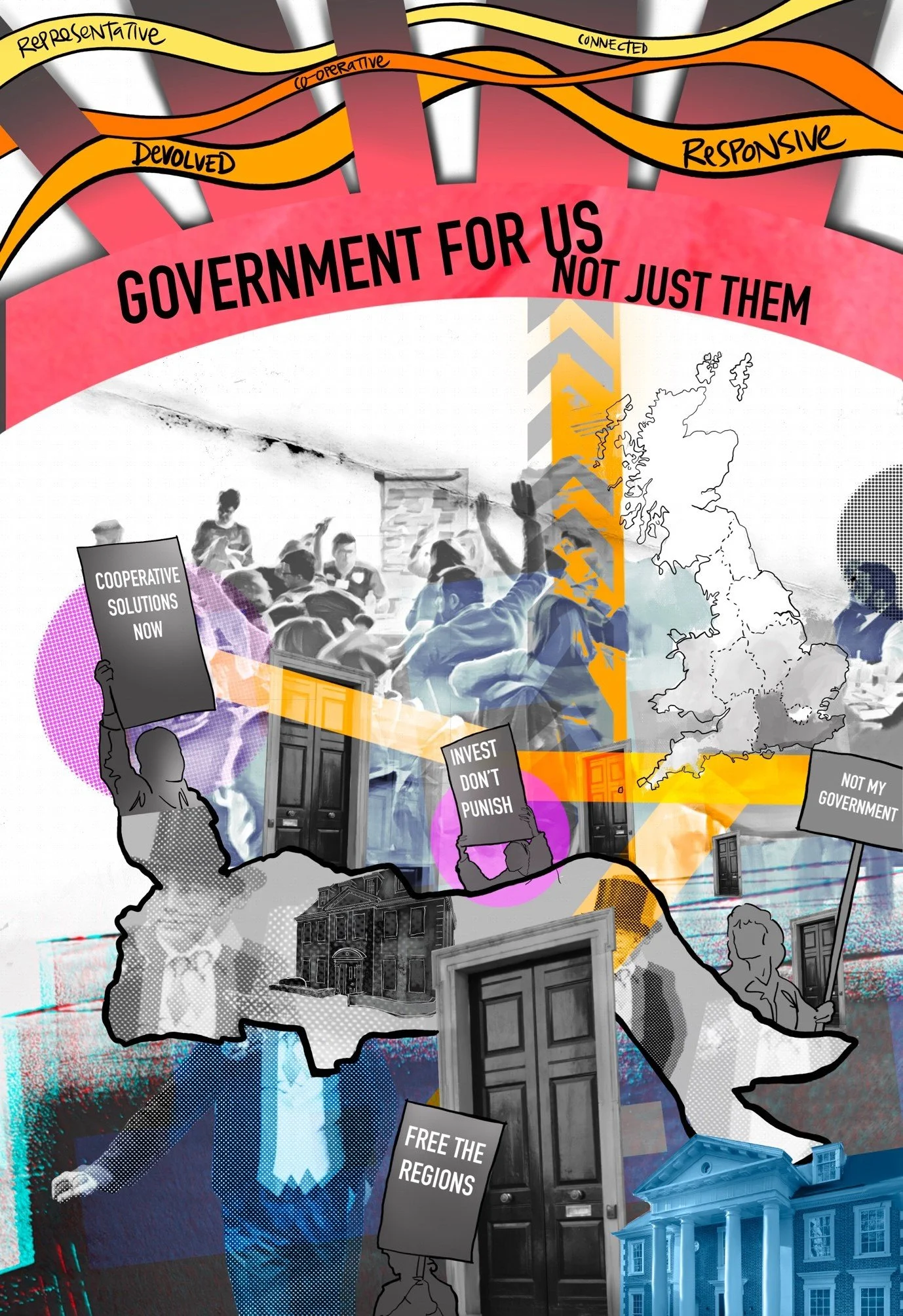
As the handling of the COVID-19 pandemic and many other issues examined in this report demonstrates, our political system produces unhelpful and wholly avoidable outcomes. The current system channels politicians towards unpopular ideological experiments that entrench and exacerbate crisis. We need to understand that the transformation of society requires systematic democratic reform…
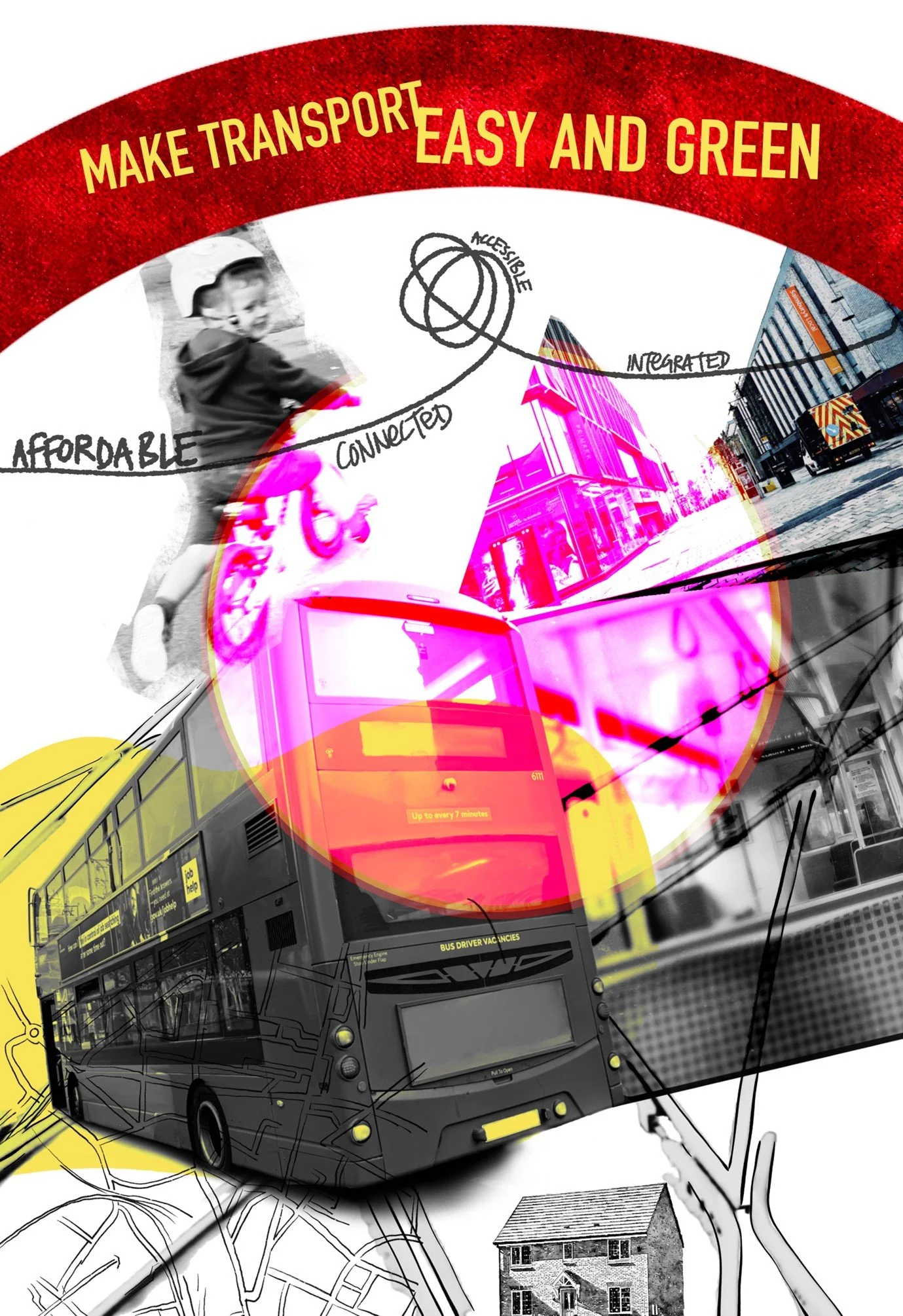
Transport affects everyone. Unregulated public transport and dependence on private vehicles has led to colossal market failure and serious environmental damage. Time spent in traffic jams, waiting for delayed trains or finding alternatives to cancelled buses represents an enormous opportunity and financial cost to us all. We spend a fortune on transport, but we spend it inefficiently and reward the wrong actors...
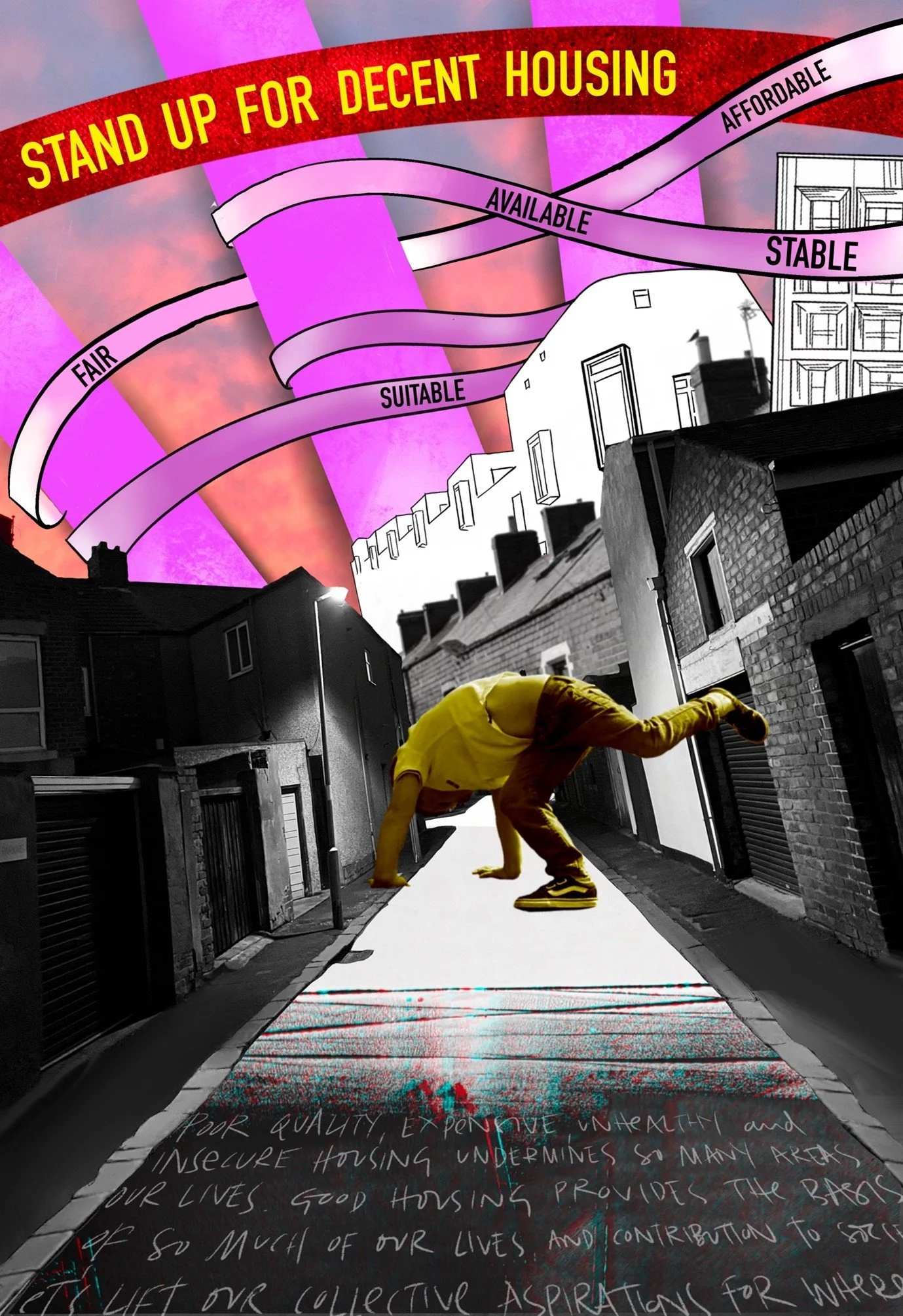
Britain is marked by gross regional inequalities in housing costs, falling levels of ownership and high levels of homelessness. It has an unresponsive and inflexible private house-building sector that is failing to meet the need for sustainability and affordability. With growing intergenerational inequalities in property ownership and rising interest rates, there is an increasing squeeze on mortgage holders...
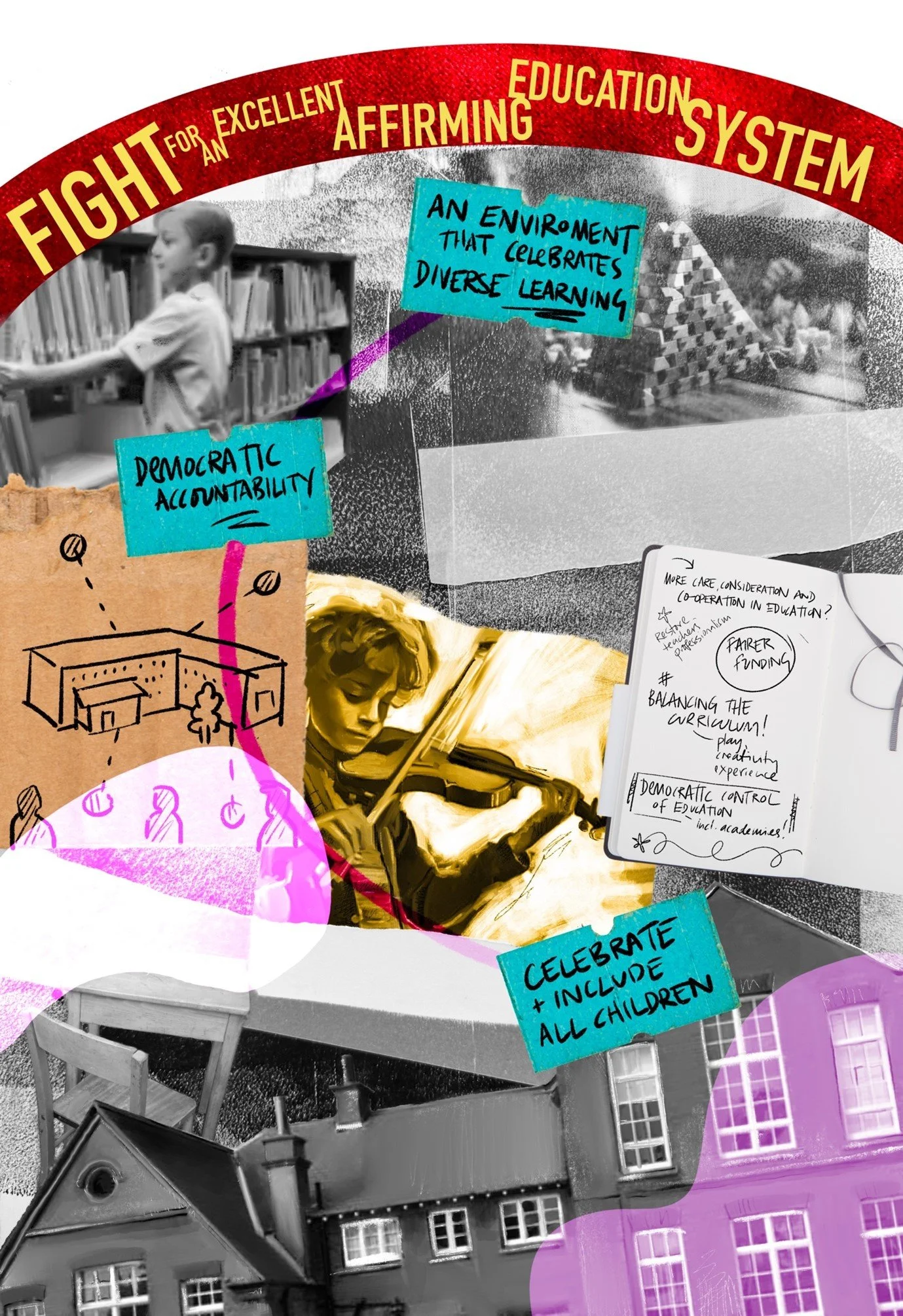
Britain’s education system frequently fails to produce the outcomes we need. Our children are seldom equipped with the skills necessary for the challenges they will face across their lives. In the state school sector, there is an obsession with a small number of subjects to the detriment of the diversity of experience and knowledge needed to engage with a rapidly developing society...
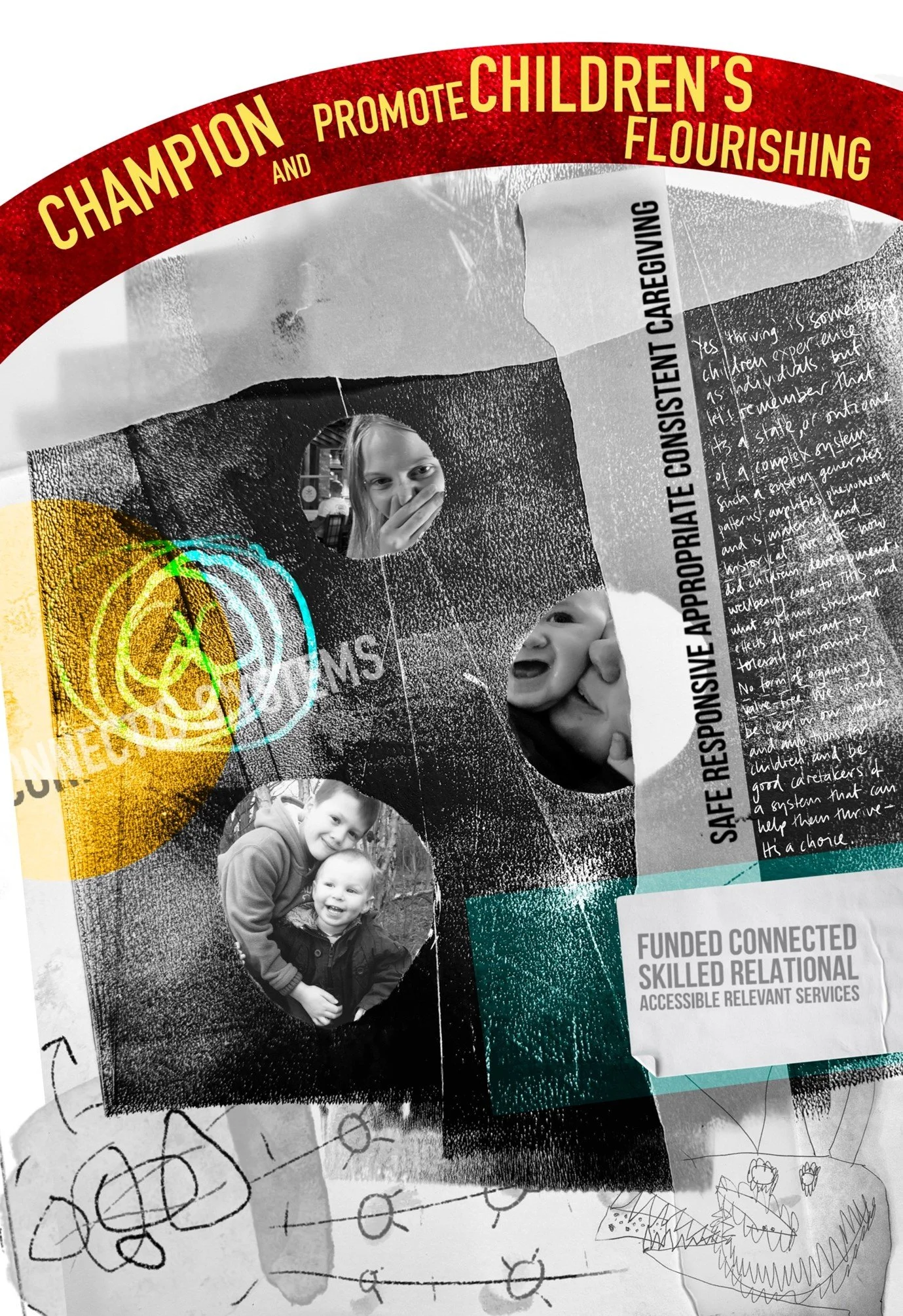
The common-sense notion that investments in childhood are critical to outcomes in adulthood is all too often dismissed on grounds of cost, or ignored by politicians focused on short-term gains. Whether it be the removal of free milk by the Thatcher government or the continued debate over free school meals, the failure to apply basic cost–benefit analyses to return on investment leaves the UK more dysfunctional, anti-social, unproductive and unequal…
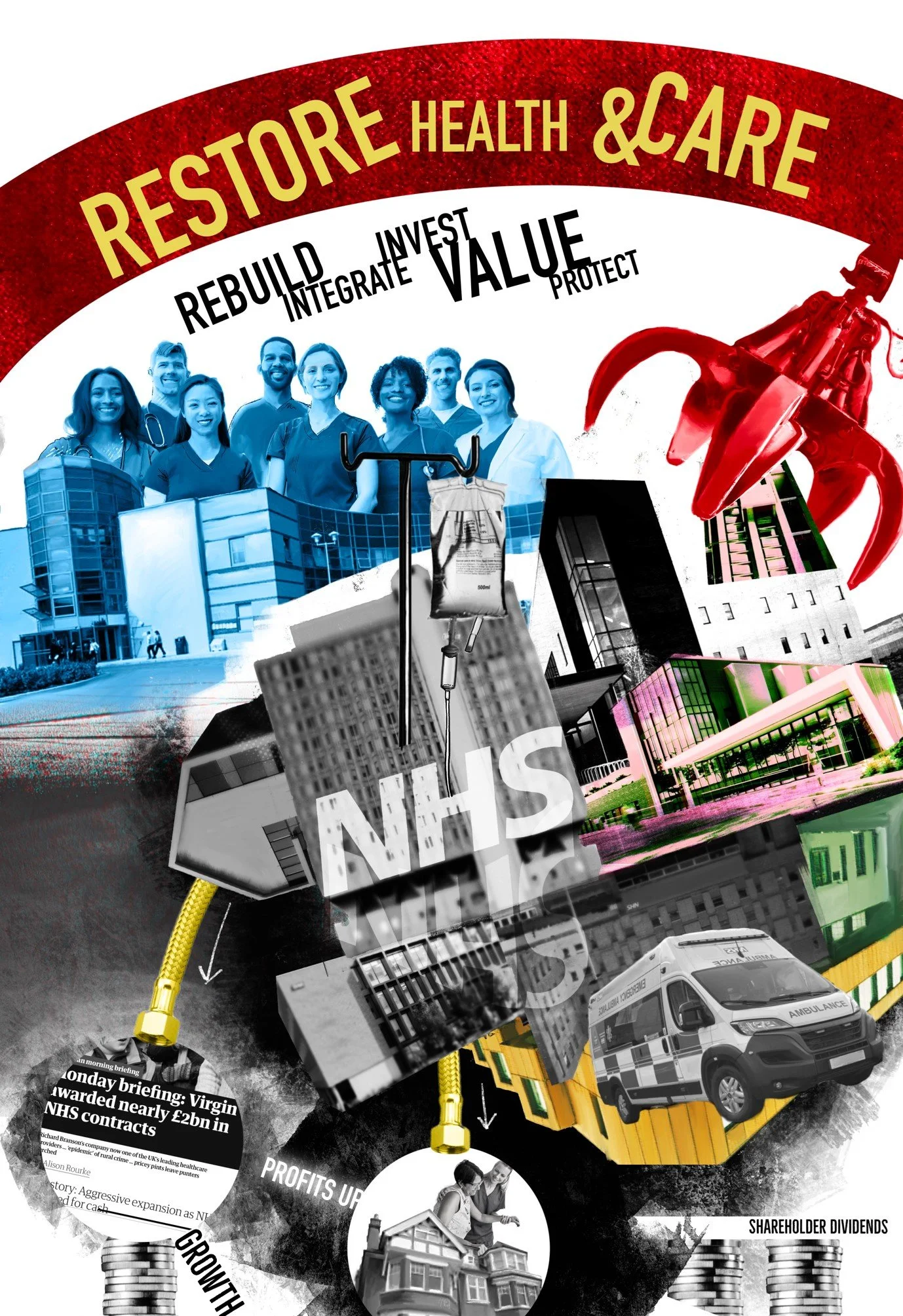
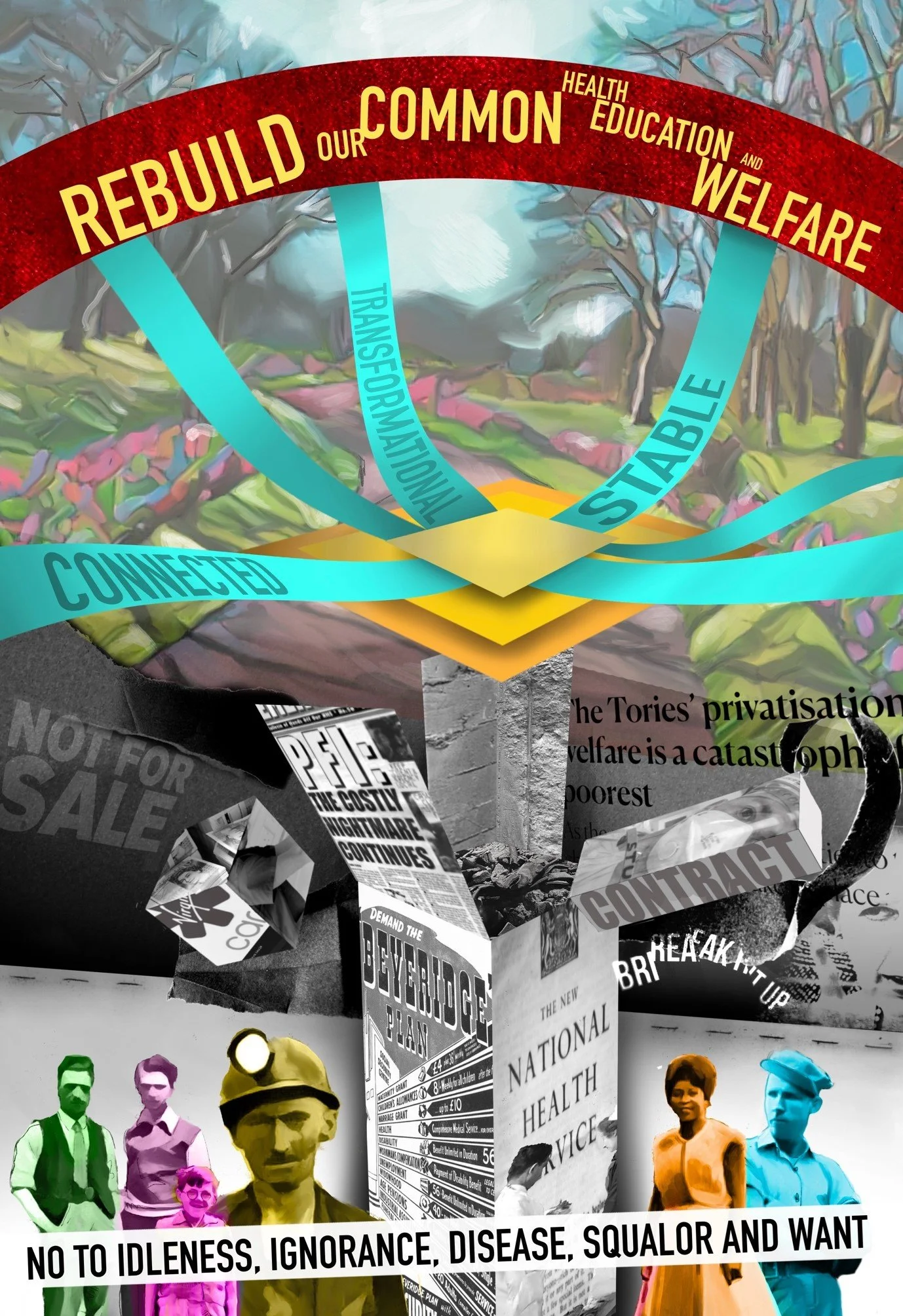
The NHS is the clearest example of how social solidarity and risk pooling mitigate against the risk of illness and financial ruin due to healthcare bills. However, more than three decades of policies have undermined the founders’ vision, contributing to the progressive dismantling of the system...
This chapter highlights the decades-long failure of an ideological experiment. The privatisation of public utilities is an aberration that can be sustained only by subsidising profits, paying more in bills, accepting dependence on fossil fuels and receiving poorer services in return…
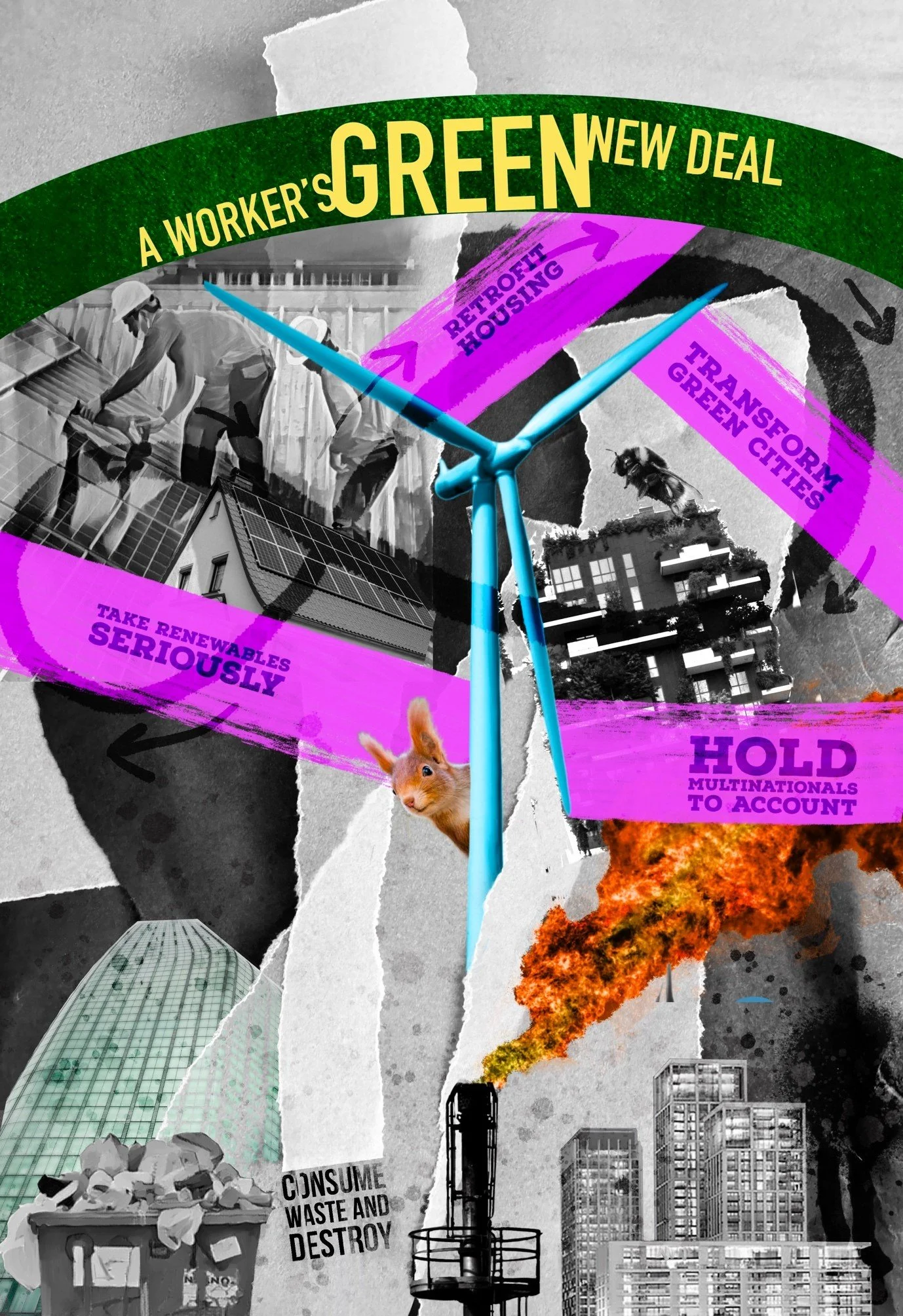
Our society needs to transition to a more sustainable mode: lower carbon emissions, less air and water pollution, more liveable cities and regeneration of nature. To achieve these goals requires a linked set of reforms that touch every area of policy discussed in the book…
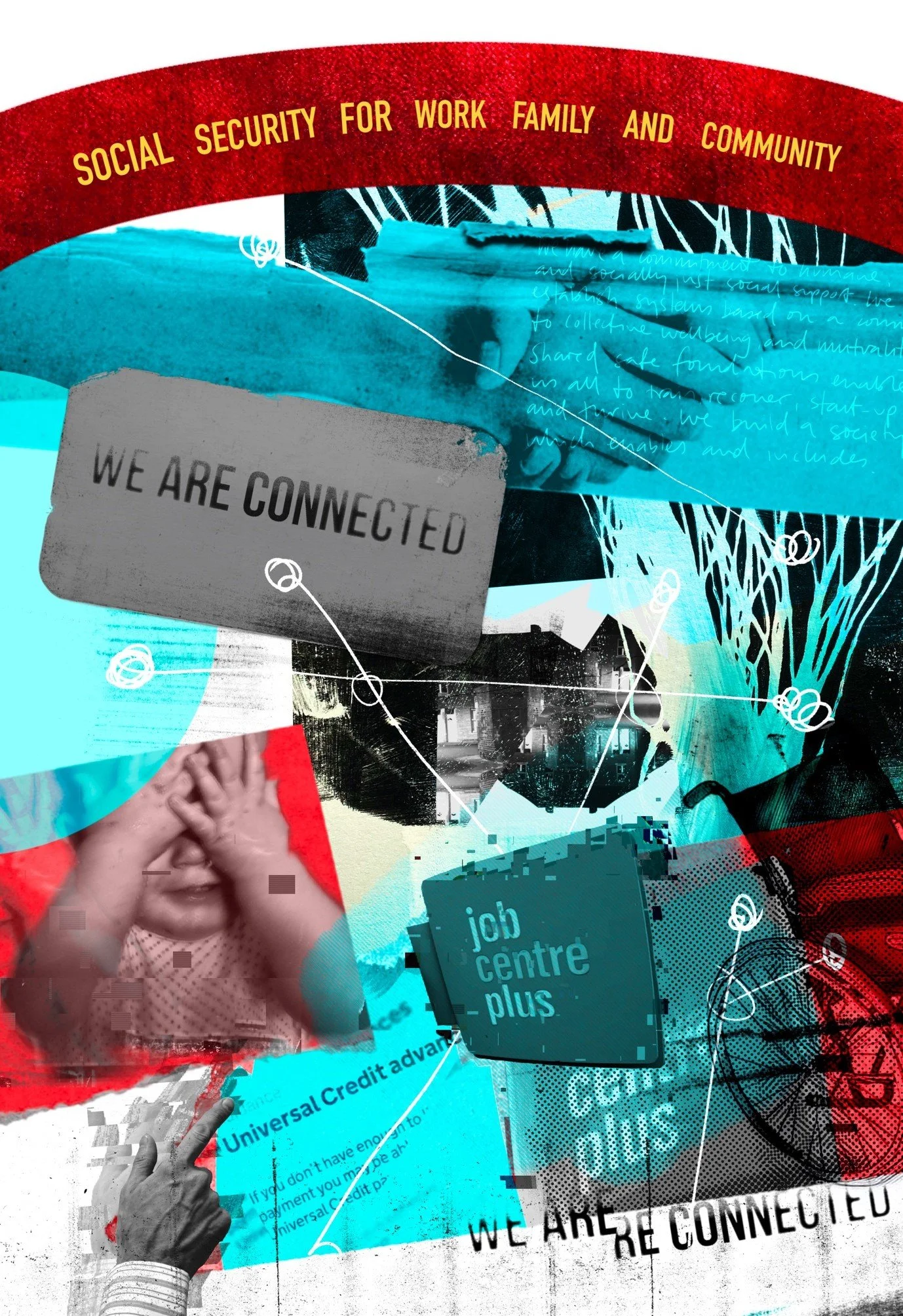
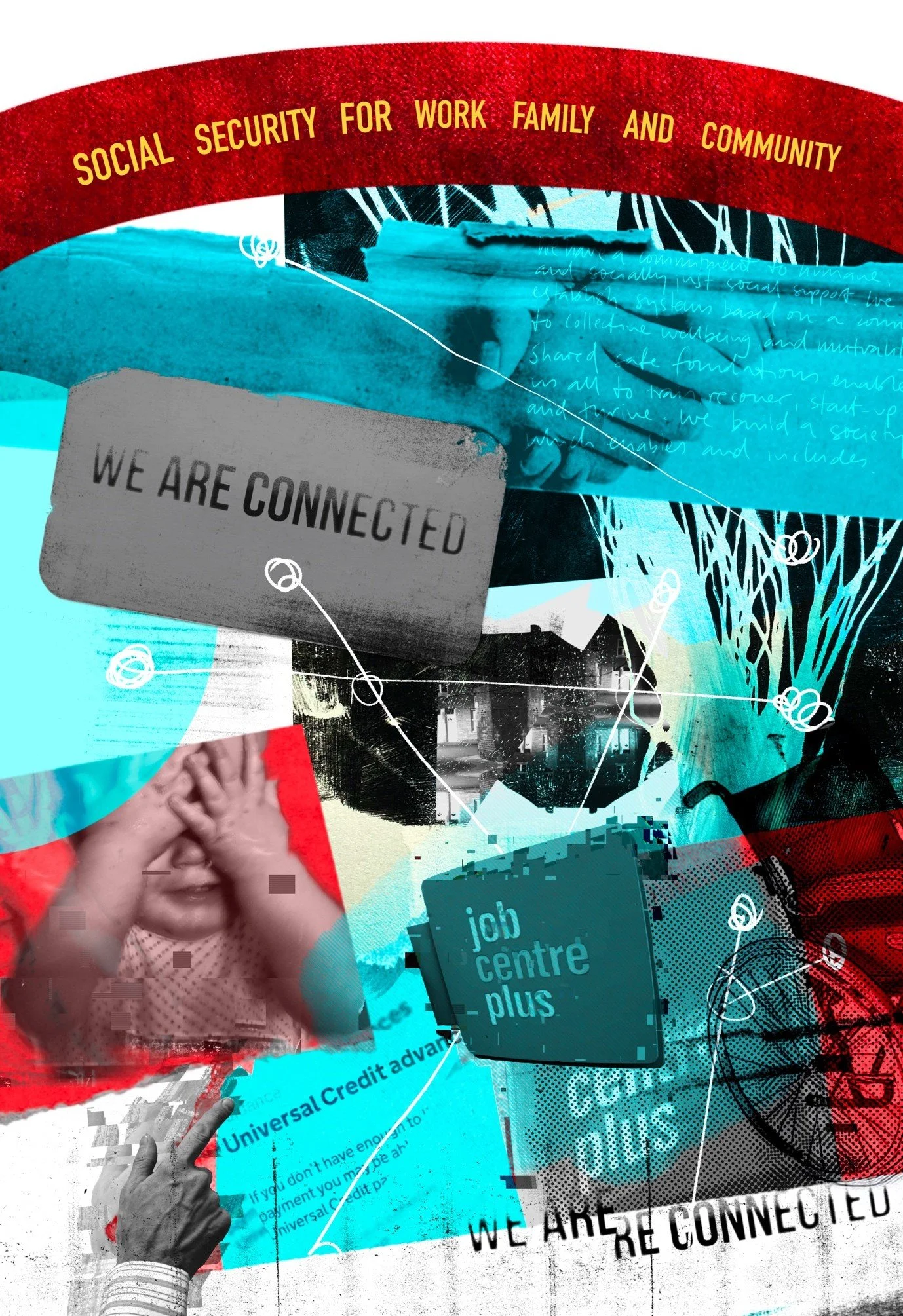
The government should introduce a basic income for all permanent UK residents, initially set at £75 per week for over 18s, with £50 for each child. This starter scheme requires only modest tax changes and no increase in government borrowing, yet it will have a dramatic effect on poverty and a host of other advantages…
Since the 1970s, the view has been put forward that the state is inefficient, obstructive or powerless. This view is an ideological smokescreen endorsed by people who recognise the state’s power and want to control it for their own interests…
We need a progressive programme of the same scope, scale and ambition as that of the 1945 government to deal with our current challenges. To make this happen, there needs to be broad national consensus around concrete, common-sense, timely, implementable ideas…